Portugal Uncorked: Ten Days of Wine, Wonders & Wow Moments

Treasures of Portugal with Bunnik Tours | Porto to Lisbon | 28 September – 7 October 2026

What do a library full of bats, a tiny mountain village with just five residents and a bakery that’s been perfecting Portuguese tarts since 1837 have in common? They’re just a few of the unexpected treasures waiting to be discovered in Portugal! Beyond its colourful streets, famous wines and breathtaking architecture lies a country full of fascinating stories, hidden gems and unforgettable experiences.

Join Rachel as she journeys from Porto to Lisbon with Bunnik Tours, exploring charming medieval towns, magnificent palaces and spectacular landscapes along the way. From sipping local wines to uncovering centuries-old traditions (and indulging in plenty of delicious Portuguese treats!), discover why this European gem left such a lasting impression on her.

We Came for the Sights, but Portugal Had Other Plans!

Day 1 – Porto
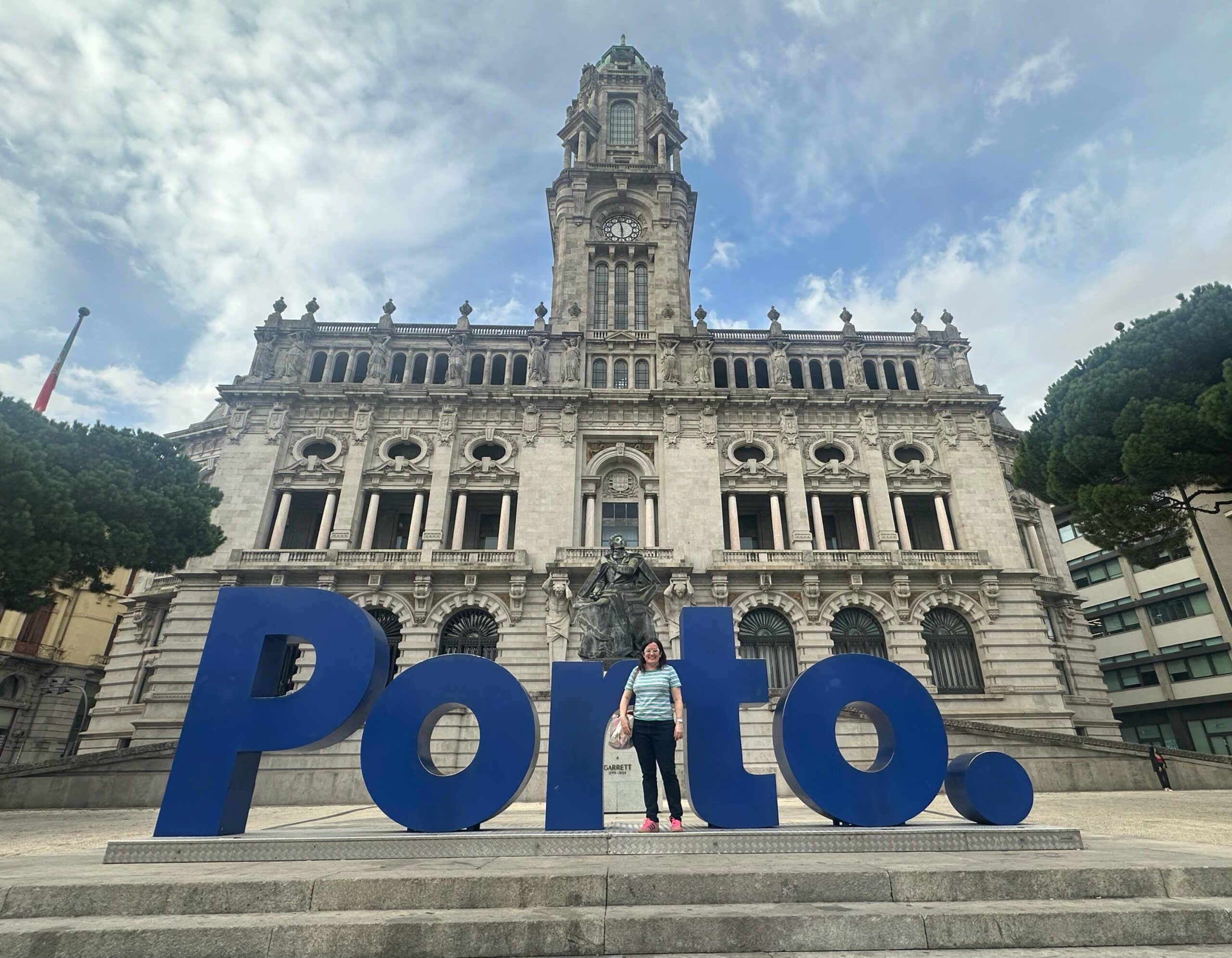
I arrived in Porto yesterday after having spent a week exploring Belgium.  Porto is the 2nd largest city in Portugal and located on the Douro River. Have walked heaps and seen lots of the sights.  Made my way this afternoon to the hotel the trip with Bunnik was starting from. Met up with the rest of the group and tour leader and we all went out to dinner at a local restaurant. Sampled lots of traditional cuisine and had  Portuguese Vinha Verde (green wine).  There are 9 people altogether on the tour and all are Australian.   Our tour leader is a Portuguese lady called Judite. She’s 50 and been leading tour groups for 30 years. 


Day 2 – Porto

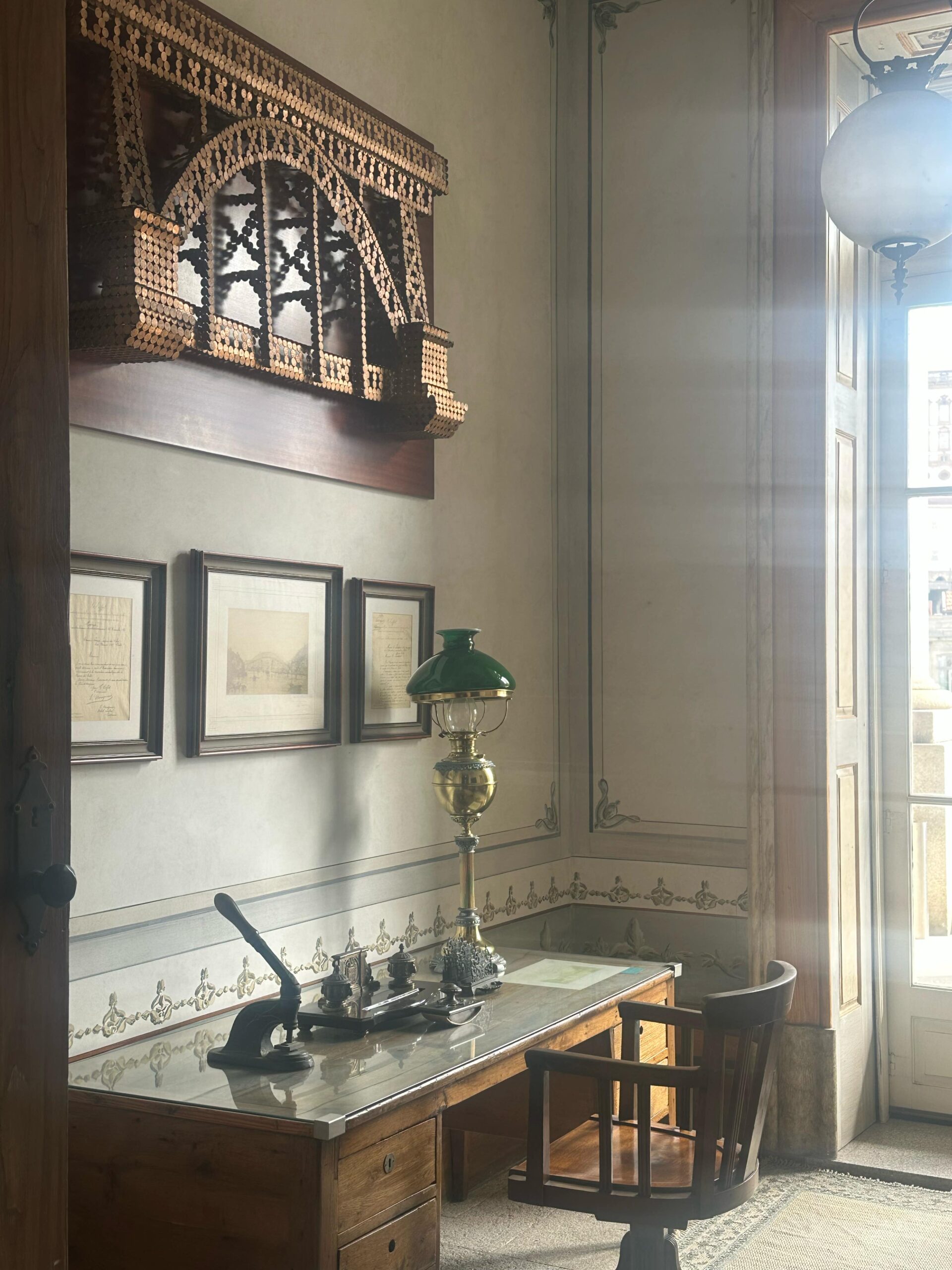
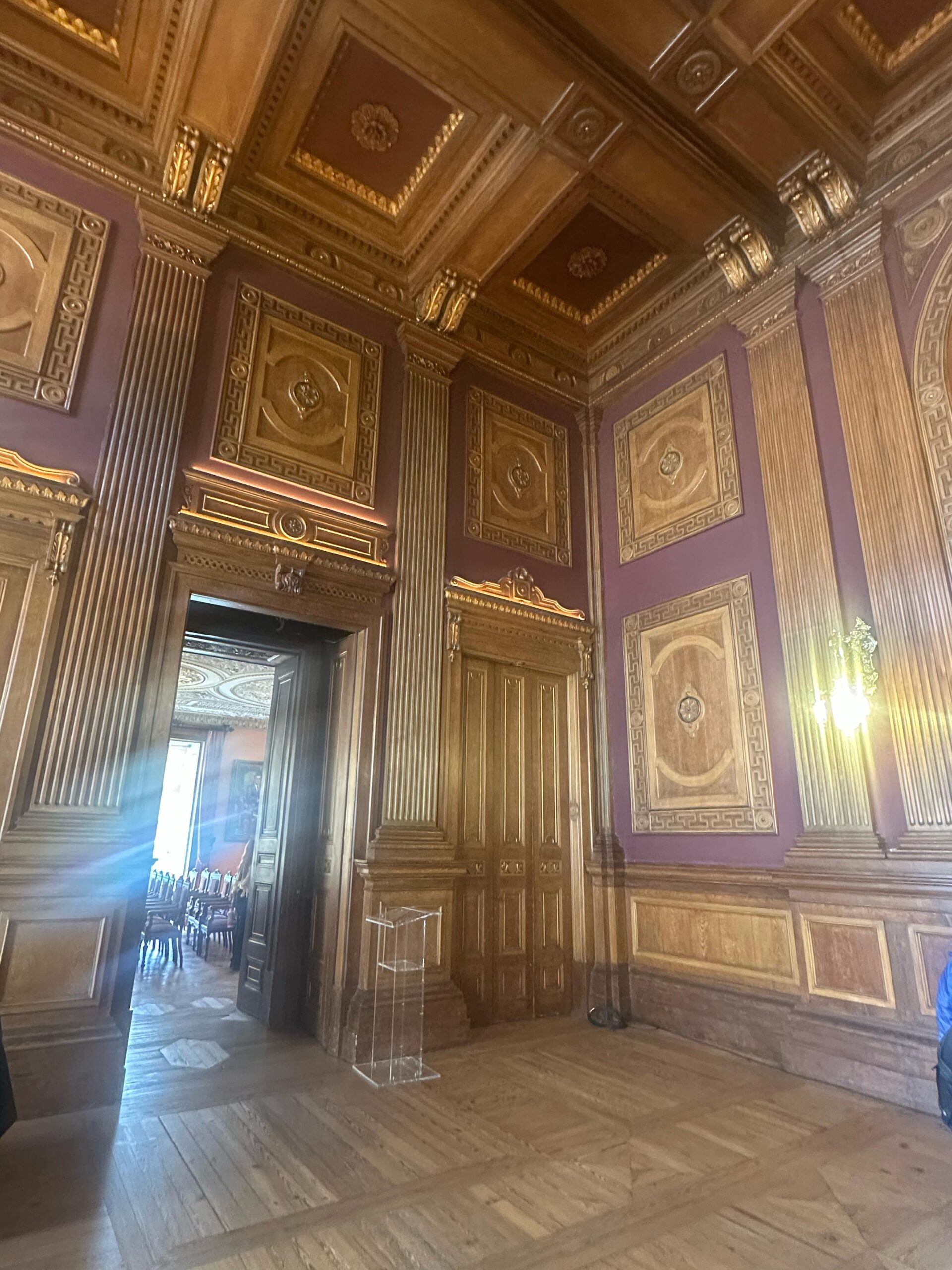
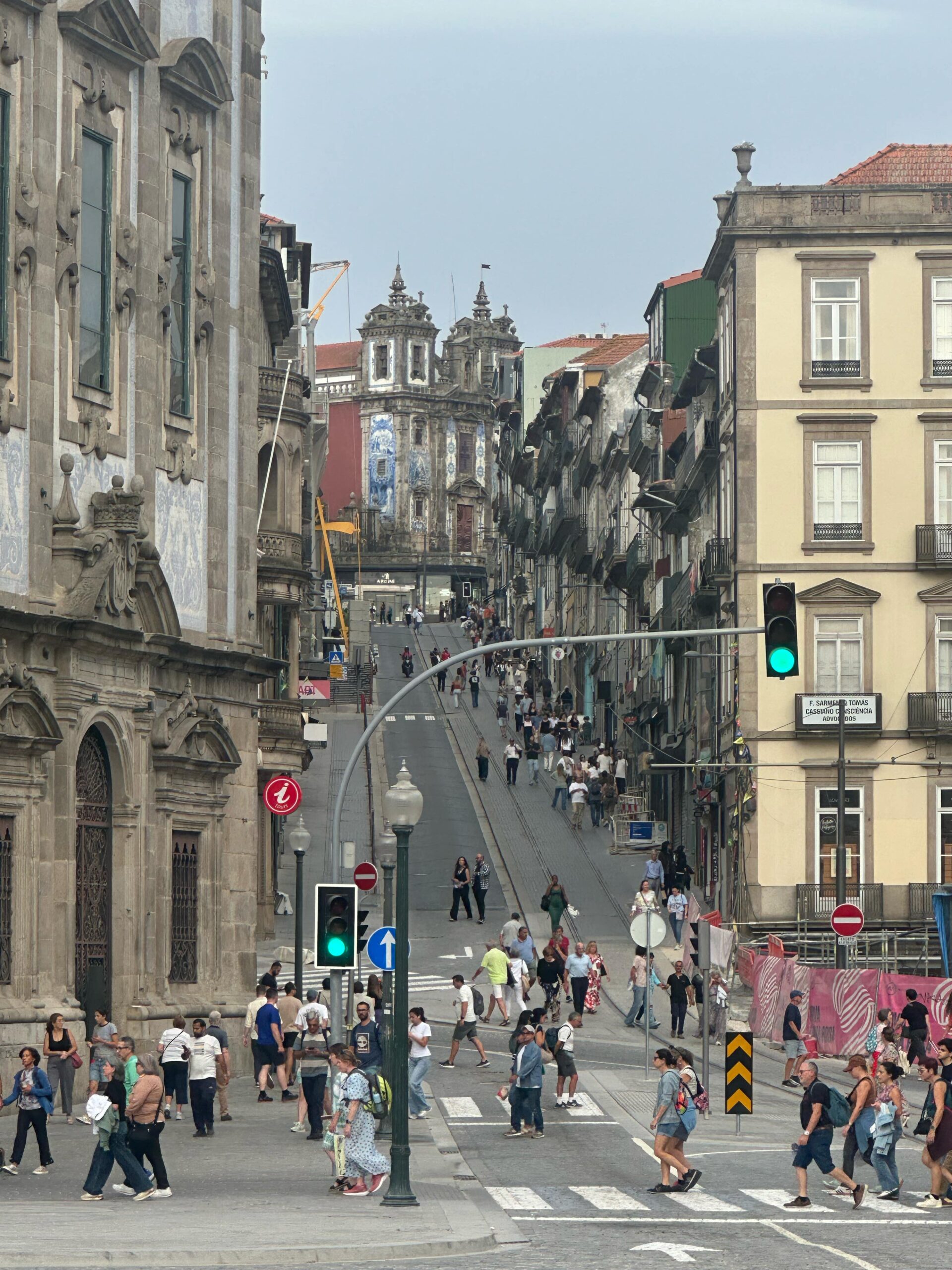
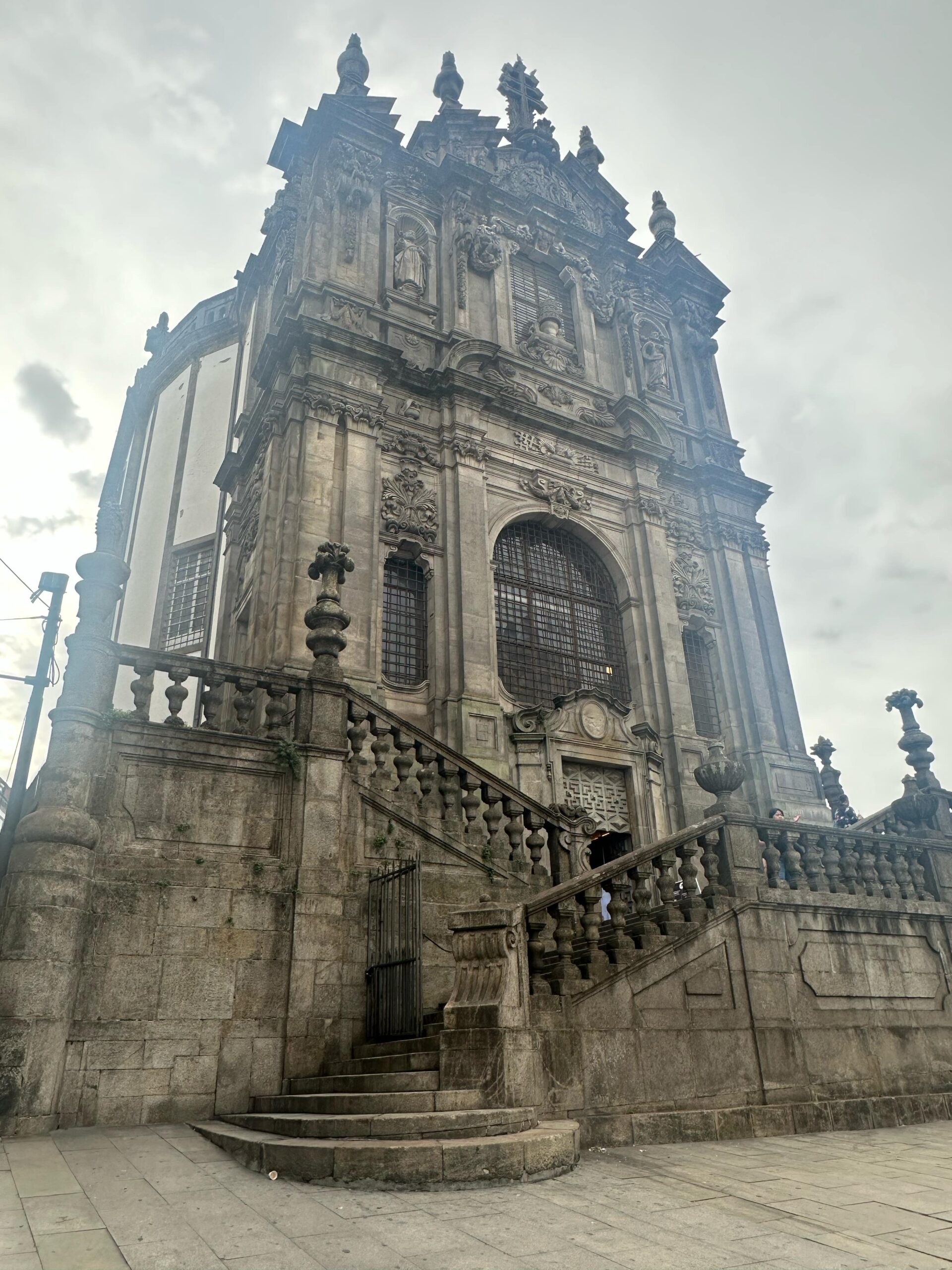
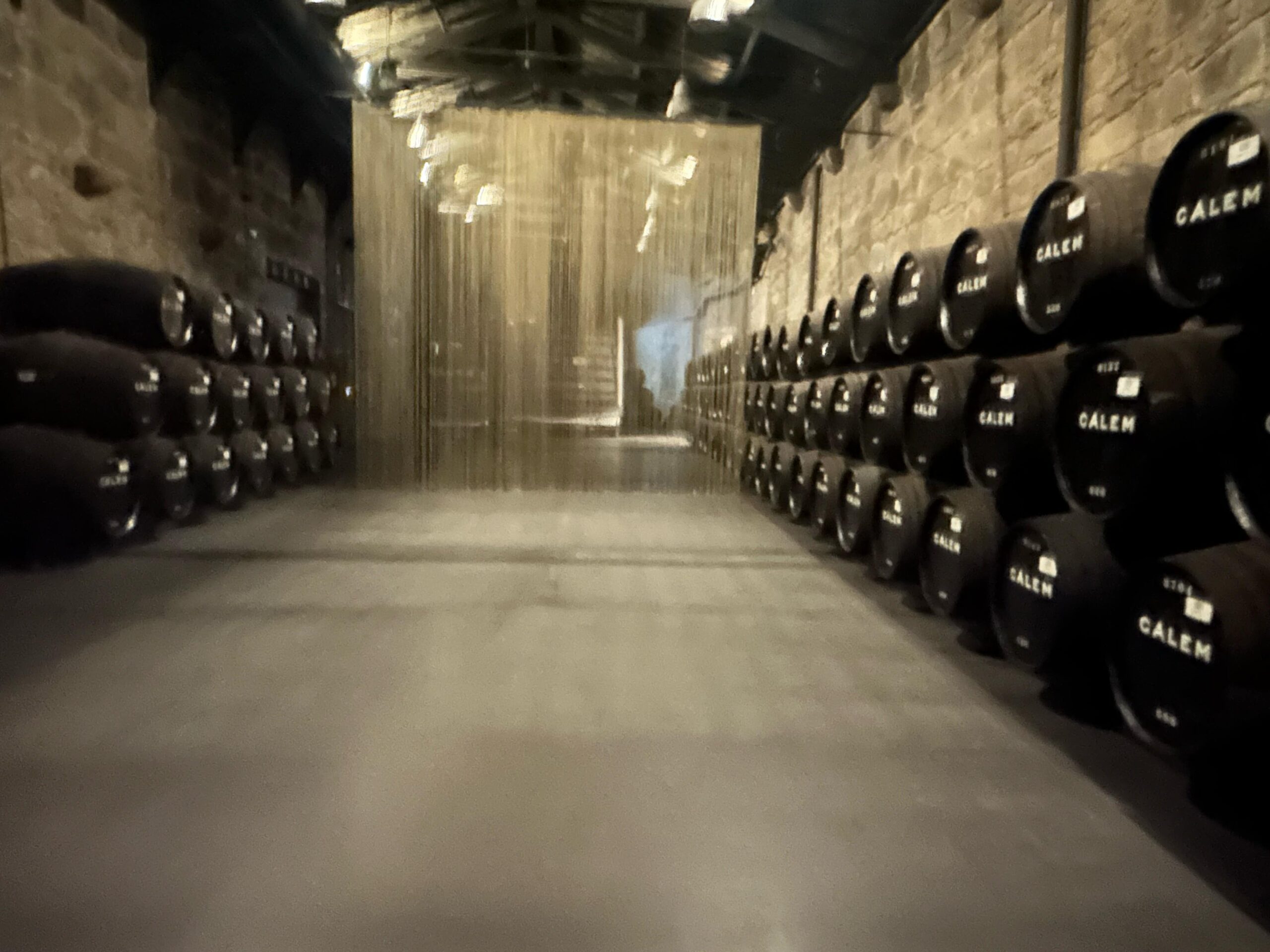
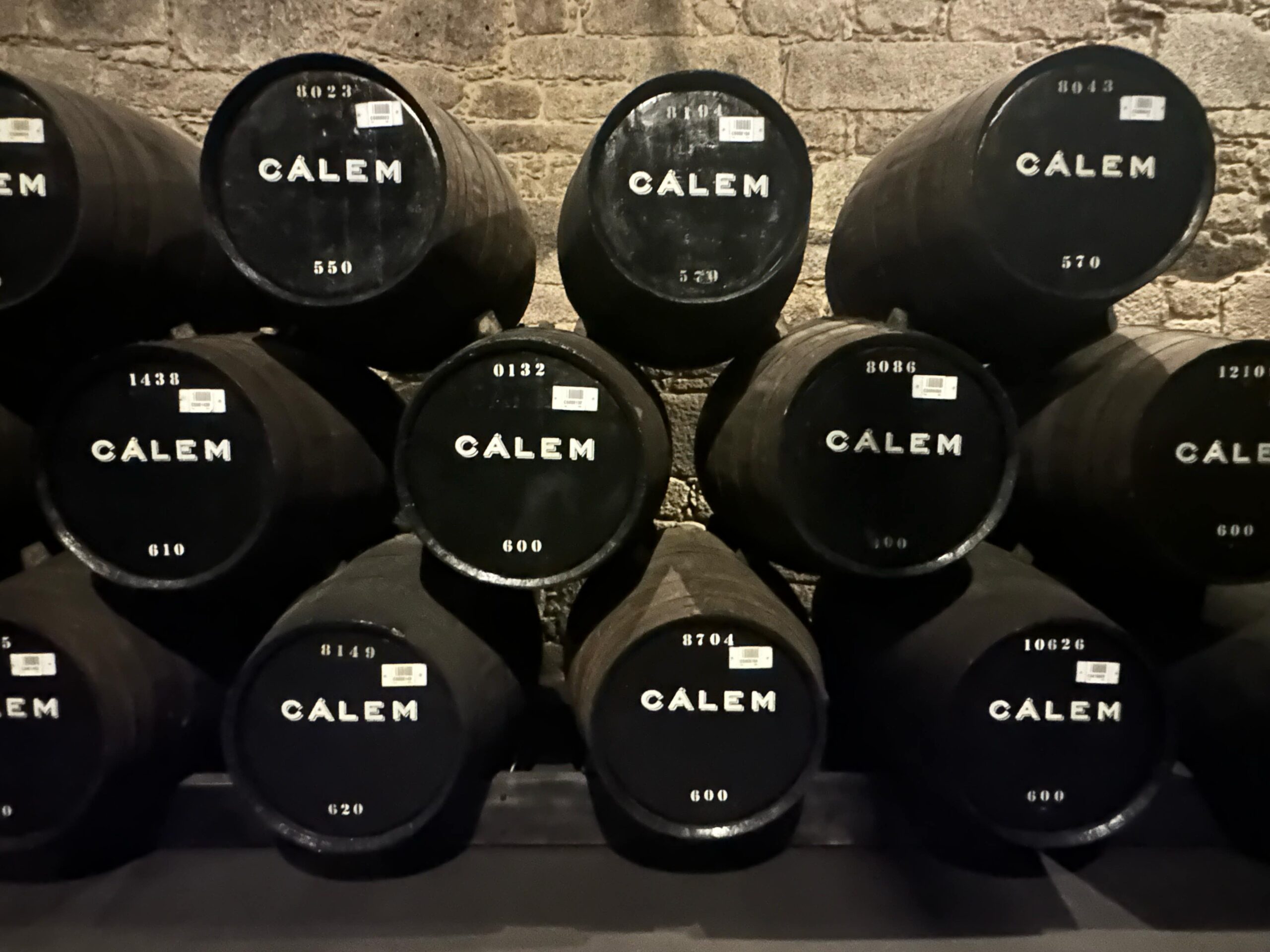
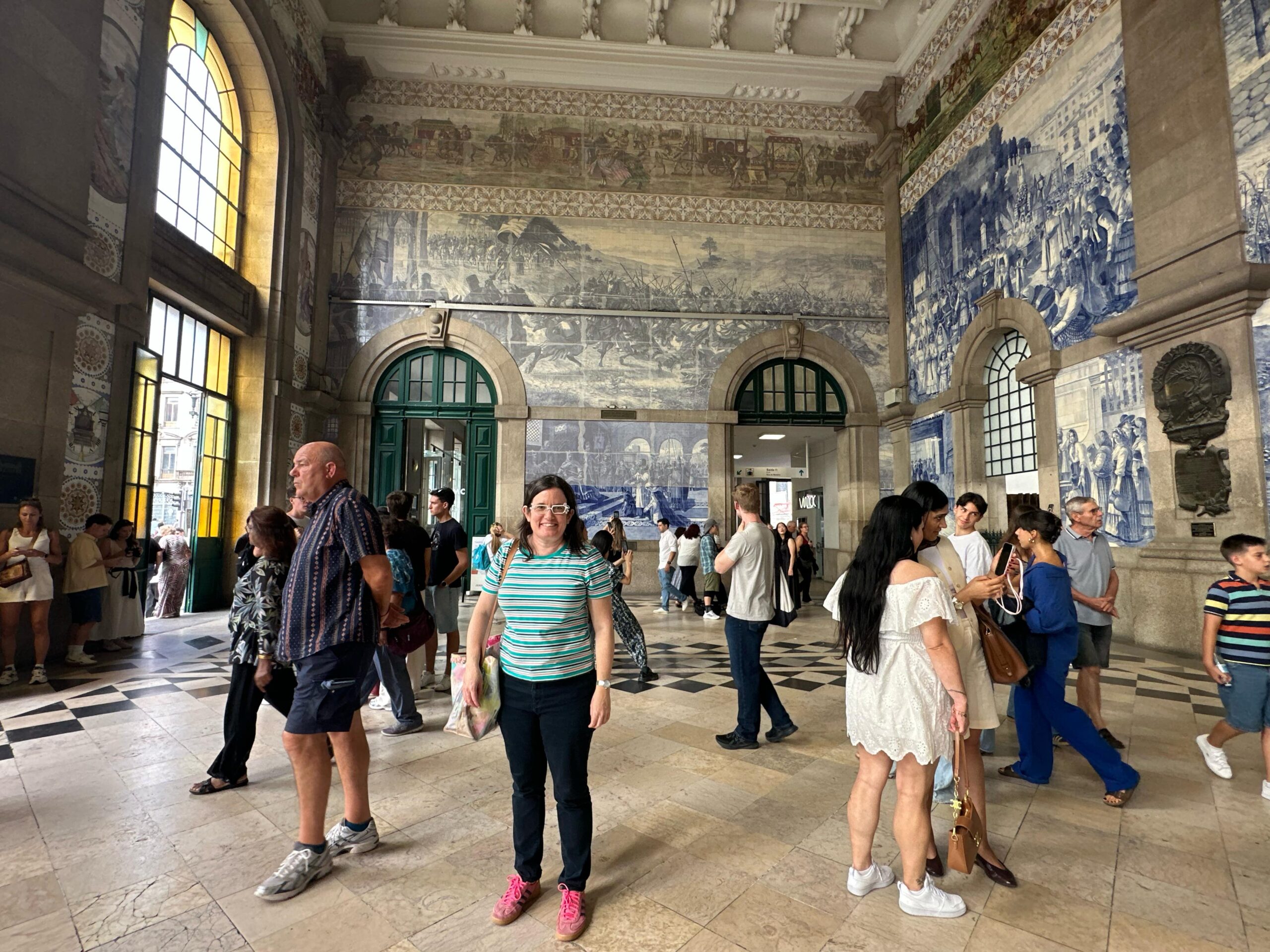
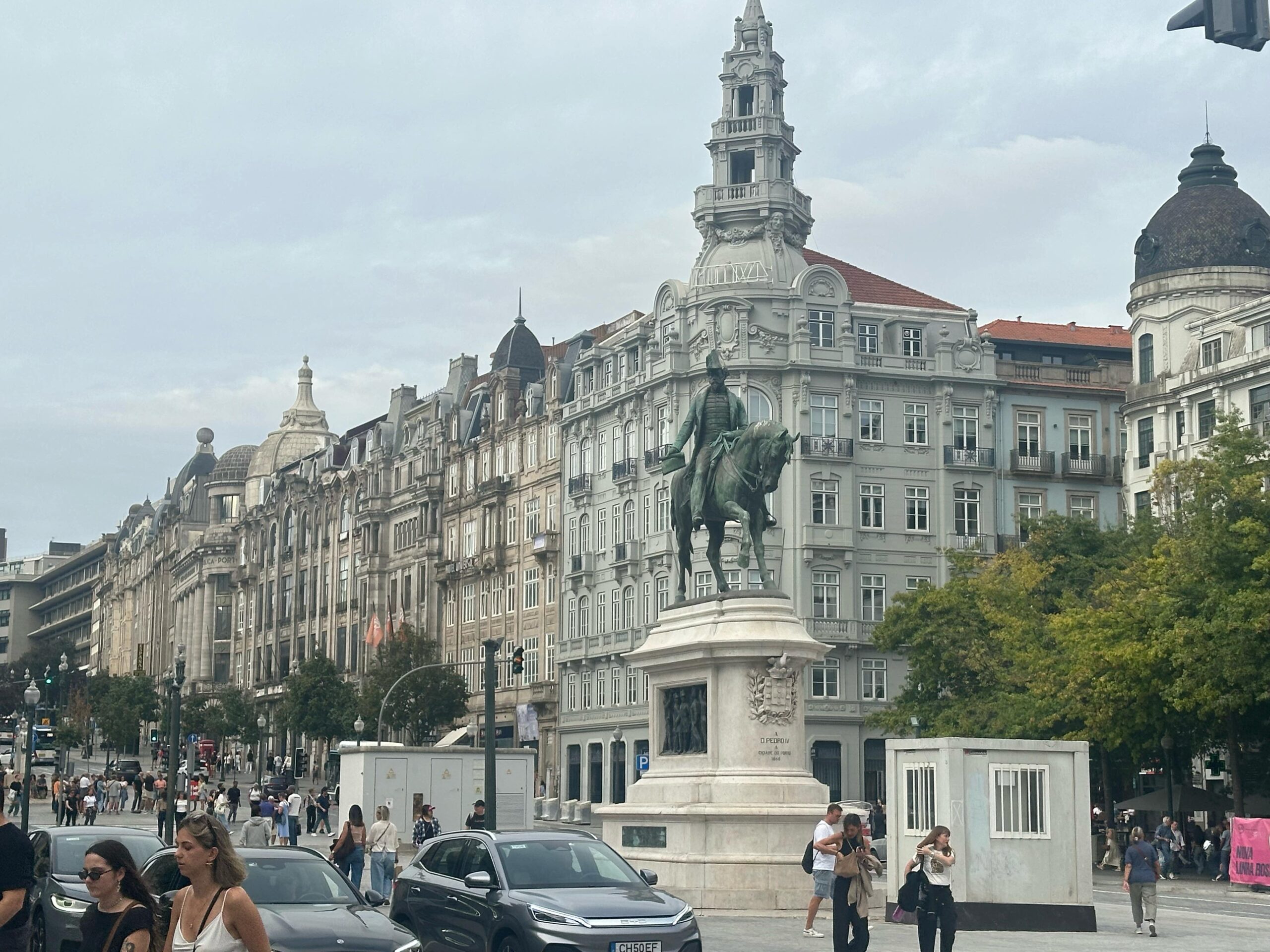
After breakfast at the hotel  we headed out on  a half day guided tour. We walked through the historic old part of town, saw lots of sights including the Clergios Tower and the stunning Chapel of Souls largely  covered in traditional Portuguese blue and white tiles. Checked out the beautiful Sao Bento Railway Station that was built in 1916.  The inside of the station is spectacular and covered in traditional Portuguese tiles each representing a part of history, from people in rural and urban areas, boats bringing wine casks to Gaia and horses and plows working the vineyards along the Douro River. We visited the Stock Exchange Palace which was spectacular.  We then made our way to the lively Ribeira area located along the Douro.  Took a cruise that passed under each of Porto’s 6 bridges. Waked across the iconic Dom Luis Bridge and made our way to a local Porto Port Wine Cellar in Gaia (the other side of Douro River in Porto) and had some tastings. Proper Porto Port Wine is found here in Porto and nowhere else in the world.  It’s from the Douro Valley and bought to Gaia in Porto. It’s like champagne comes from France.  Porto Port Wine is from Porto.  Afterwards we had free time to explore the city and have dinner. 

Day 3 – Porto

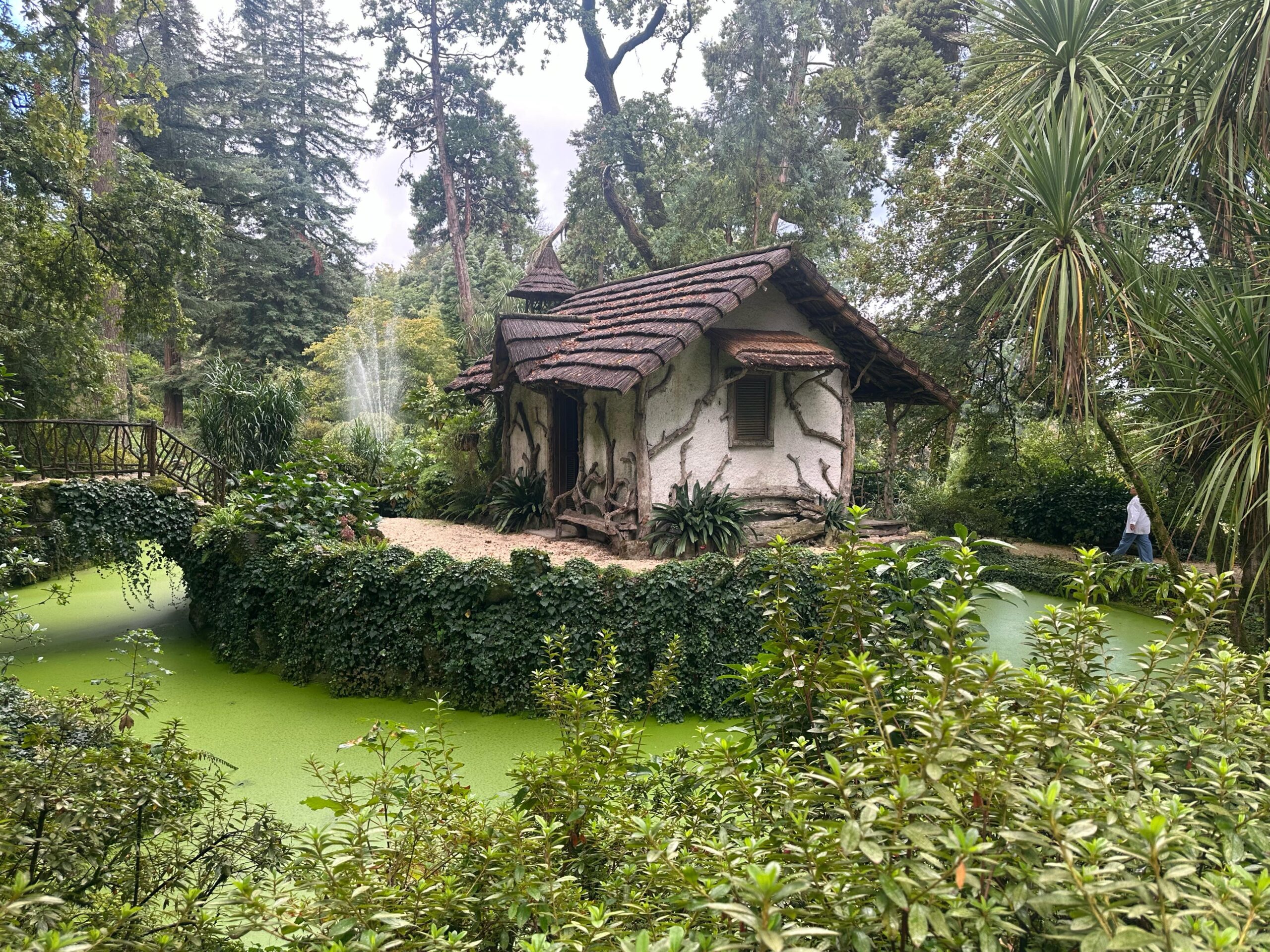
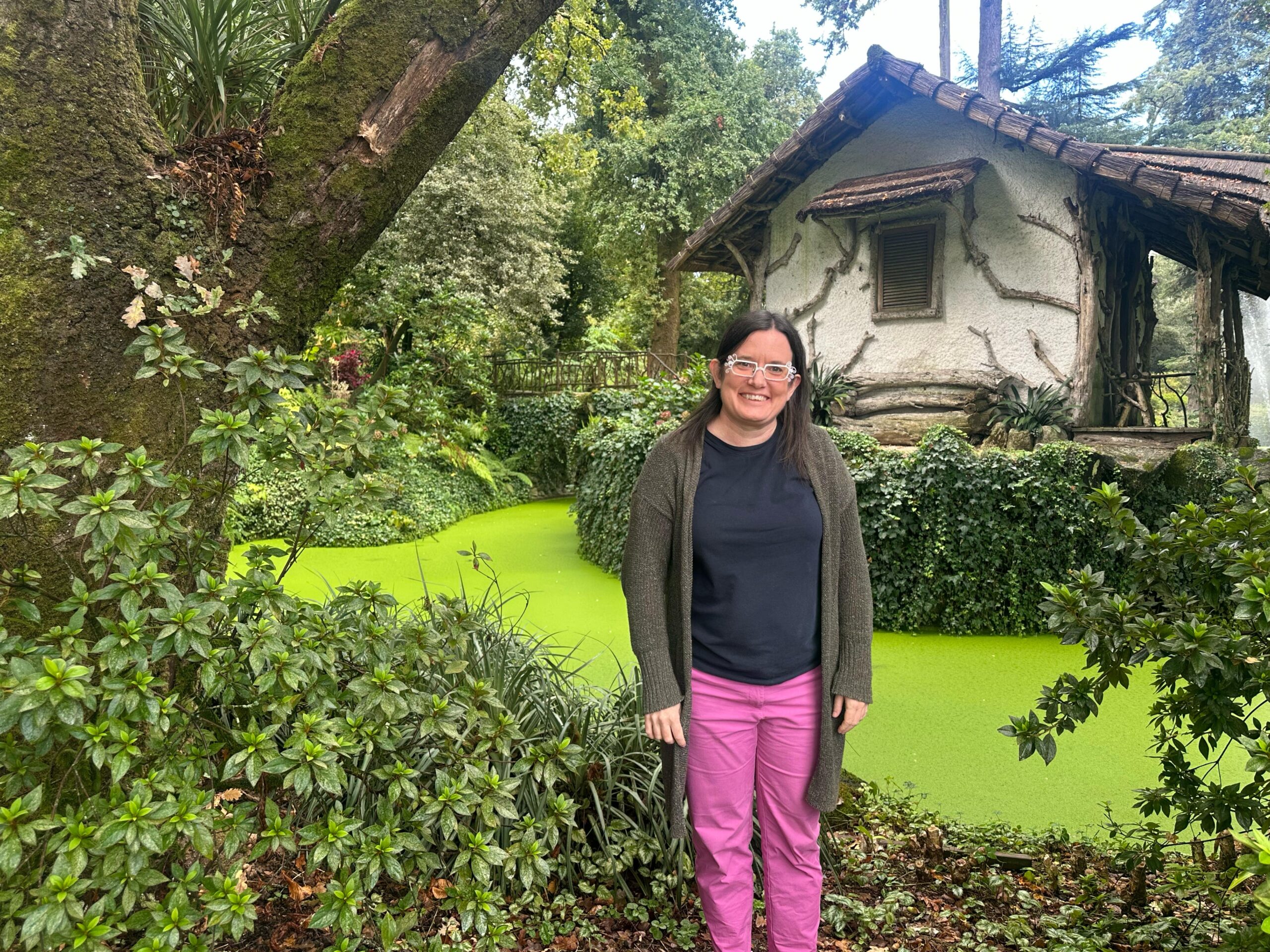
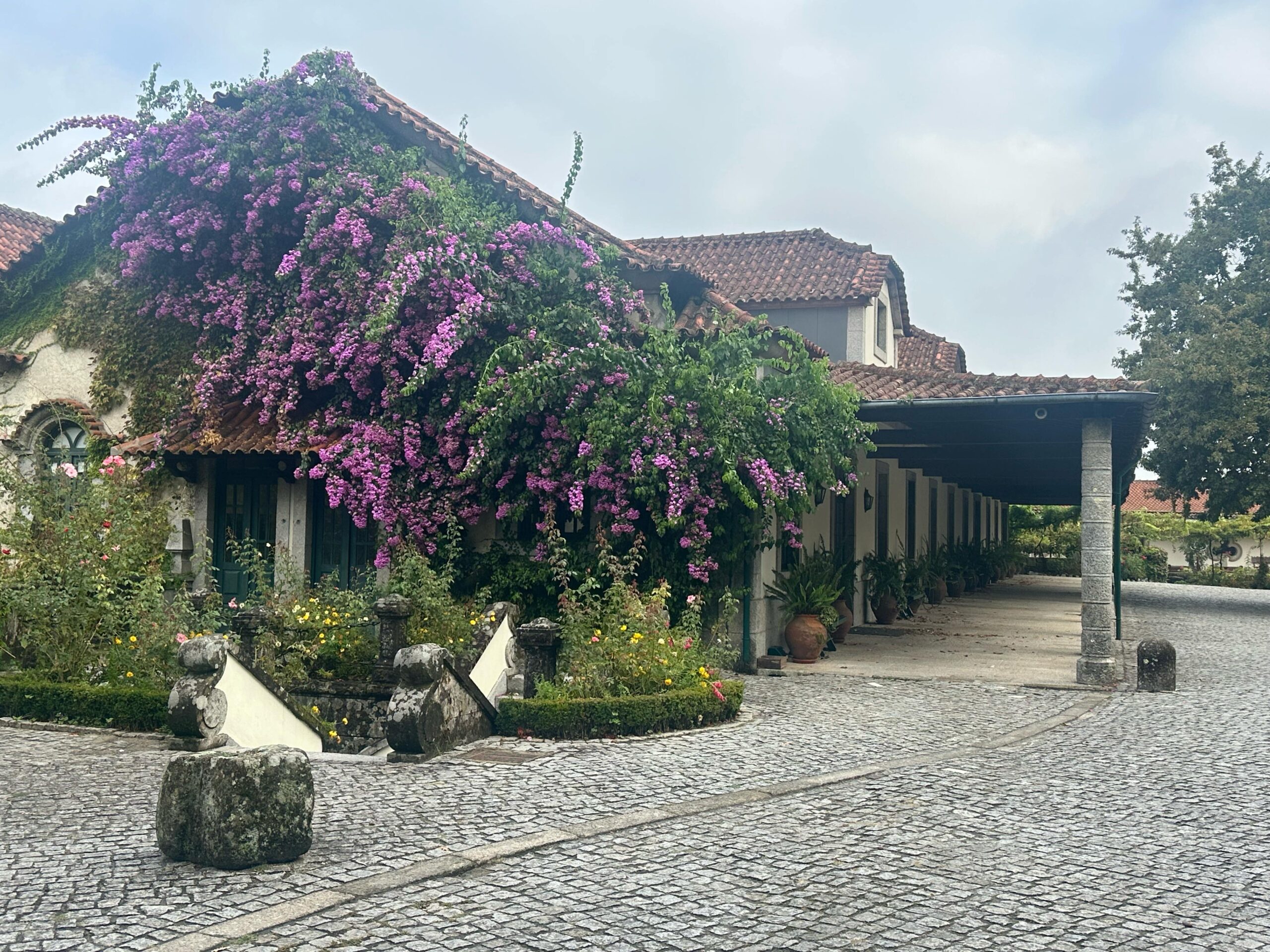
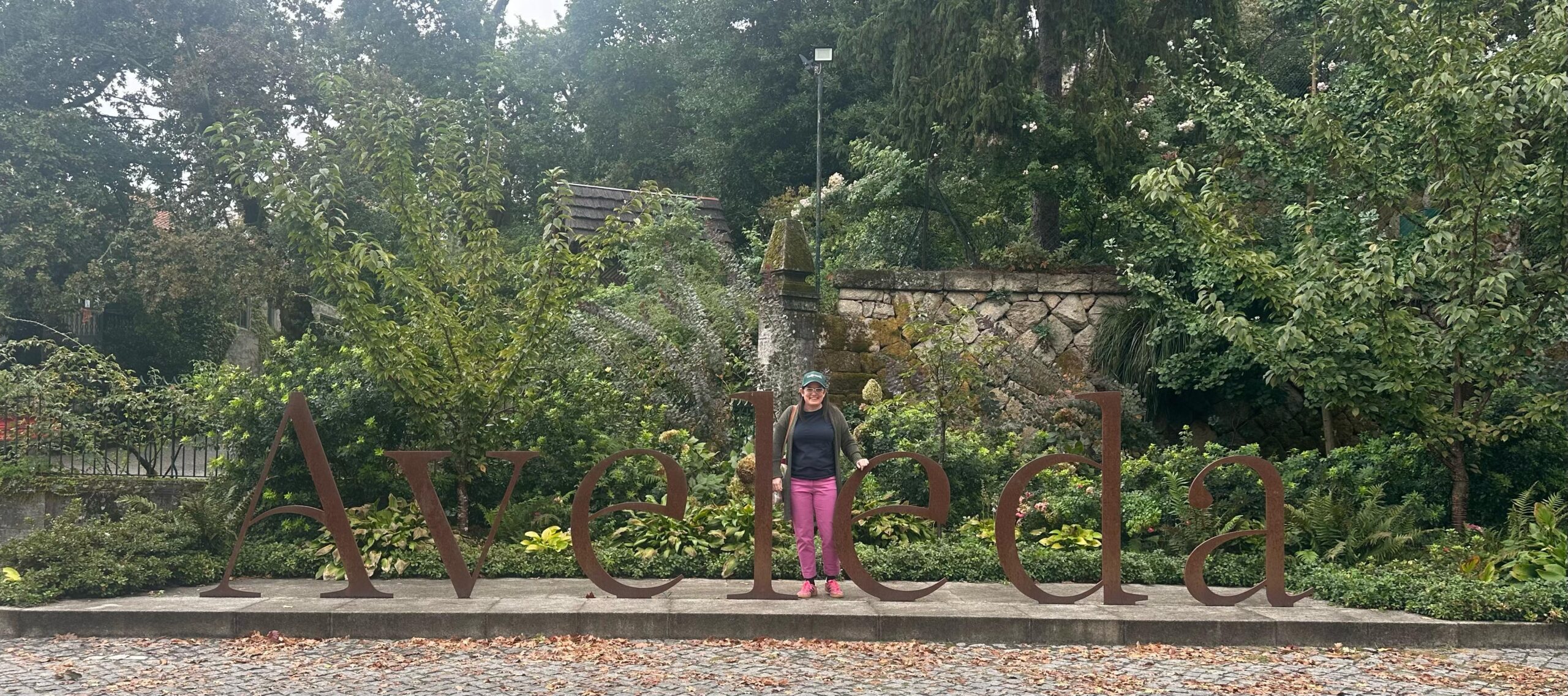
This morning we made our way to the vineyards of the Vinho Verde Region.   We were taken on a tour of the beautiful gardens of Quinta Aveleda Estate and also had a wine tasting of the Vinho Verde (green wine) they produce on the property.  Afterwards we headed to the charming city of Amarante where we went to see the stunning Saint Goncalos Monastery.  The building of the monastery begun in 1543AD and was completed over a century later. The views of Amarante and the Tamega River from the monastery were beautiful. We then had free time to explore the town and have lunch at a local cafe before heading back to Porto.  Back in Porto we were free to explore on our own for the rest of the day. 
 

Day 4 – Porto – Braga

Today we made our way to the city of Guimares, known as the birthplace of Portugal. We wandered through the cobblestone streets and enjoyed the medieval architecture,  had a walking tour of the city and visited the Palace of Dukes of Braganza.  Afterwards we had time to enjoy lunch and explore the town a bit more on our own.  Then we headed to Braga, one of Portugal’s oldest cities. We explored the many buildings and statues of the Bom Jesus Sanctuary perched on a hill high above the city.   Then followed on with a walking tour in the town.

Day 5 – Braga – Aveiro – Coimbra

This morning we headed to Ovar to learn about Portugal’s tile heritage. Met up with a local lady who showed us around and explained the various types of tiles found on a lot of the buildings.   Tiles were once mainly used indoors on palaces and churches however by the end of the 19th century patterned tiles were then applied to the facades of most public buildings. Tiles became increasingly more democratic and were then seen on private owned houses, mostly with flower patterns. Ovar is the place to go to explore the tiles.   Ovar is famous for it’s main gastronomic speciality the “Pao de Lo” sponge cake, so of course we had to try this.  It’s absolutely delicious.   We then set off for the town of Aveiro considered the Venice of Portugal.  We took a ride on one of the iconic moliceiro boats through the canals. Had fee time to enjoy lunch and explore the town. Afterwards we headed to Coimbra. Tonight we had a group dinner with local delicacies and Fado performance. 

Day 6 – Coimbra

Today we started the day with a guided tour of the University of Coimbra.  Founded in 1290, it is the oldest in Portugal and the oldest university in the world  that’s been in continuous operation. The main courtyard is built on a former royal palace.  The grounds house the Biblioteca Joanna – a famous Baroque library known for it’s ornate decor and natural bat colony that are thought to protect the ancient books. This library is absolutely stunning. Photos aren’t permitted, however our local guide had been given special permission to take a few for tourism purposes a couple of years ago, so we were lucky he shared them with us.   It is believed it is here at the library,  where J.K Rowling got the inspiration to write Harry Potter, while she was living in Coimbra.  The Chapel of Sao Miguel is also located within the university courtyard.  It is absolutely beautiful.   After exploring the university we headed up to the nearby shale villages up in  the mountains.   

Shale villages are made of buildings constructed from shale, a fine sedimentary rock made from mostly fine clay that splits into very thin layers and make spectacular architecture. We stopped for lunch at a local restaurant “Sabores da Aldeia” in the shale village of Candal where rugged hues and cobblestone lanes create a dreamy atmosphere. Lunch here at the restaurant was the best food we had in Portugal.  We had Chanfana (red wine marinated goat casserole) and a liquor mousse pudding.  Absolutely beautiful.  Only 5 people live permanently in this village. The man who runs the restaurant and cooks the food, works in another town during the week and comes to the village to open his restaurant on the weekends.  Afterwards we journeyed to Lousa – the crown jewel of shale villages brimming with medieval charm.  Later we travelled back to Coimbra where we had the evening free to enjoy.
 

Day 6 – Coimbra

Today we started the day with a guided tour of the University of Coimbra.  Founded in 1290, it is the oldest in Portugal and the oldest university in the world  that’s been in continuous operation. The main courtyard is built on a former royal palace.  The grounds house the Biblioteca Joanna – a famous Baroque library known for it’s ornate decor and natural bat colony that are thought to protect the ancient books. This library is absolutely stunning. Photos aren’t permitted, however our local guide had been given special permission to take a few for tourism purposes a couple of years ago, so we were lucky he shared them with us.   It is believed it is here at the library,  where J.K Rowling got the inspiration to write Harry Potter, while she was living in Coimbra.  

The Chapel of Sao Miguel is also located within the university courtyard.  It is absolutely beautiful.   After exploring the university we headed up to the nearby shale villages up in  the mountains.   Shale villages are made of buildings constructed from shale, a fine sedimentary rock made from mostly fine clay that splits into very thin layers and make spectacular architecture. We stopped for lunch at a local restaurant “Sabores da Aldeia” in the shale village of Candal where rugged hues and cobblestone lanes create a dreamy atmosphere. Lunch here at the restaurant was the best food we had in Portugal.  We had Chanfana (red wine marinated goat casserole) and a liquor mousse pudding.  Absolutely beautiful.  Only 5 people live permanently in this village. The man who runs the restaurant and cooks the food, works in another town during the week and comes to the village to open his restaurant on the weekends.  Afterwards we journeyed to Lousa – the crown jewel of shale villages brimming with medieval charm.  Later we travelled back to Coimbra where we had the evening free to enjoy.
 

Day 7  – Coimbra – Lisbon

This morning we headed off to explore Nazare.  A fishing village renowned for it’s absolutely massive waves that attract surfers from all around the world. During the winter months waves reach up to 30 meters high, the highest in the world. They say it is where the waves touch the sky. With the clouds hanging around really low, level with the cliffs, it’s easy to know where they get this saying  from.  

Would be brilliant to be here in the winter when the waves are so high and the world surfing competitions are on.  We had lunch at a local restaurant in Nazare then continued to the town of Obidos where we sampled the local cherry liquor “Ginjinha”, a Portuguese liquor made from sour cherries and local brandy served in chocolate cups.  We then travelled through to Lisbon and had the evening free to explore. 
 

Day 8 – Lisbon

After breakfast we made our way to Sintra, a town just outside Lisbon and home to the National Palace of Sintra. The National Palace of Sintra was used by the Portuguese Royal Family until the end of the Monarchy in 1910.  It’s construction started in the 15th century and is a mix of medieval, gothic, Manueline and Renaissance architecture.  It’s the most intact palace remaining today in Portugal and gives a glimpse back in time. 

Day 9 – Lisbon

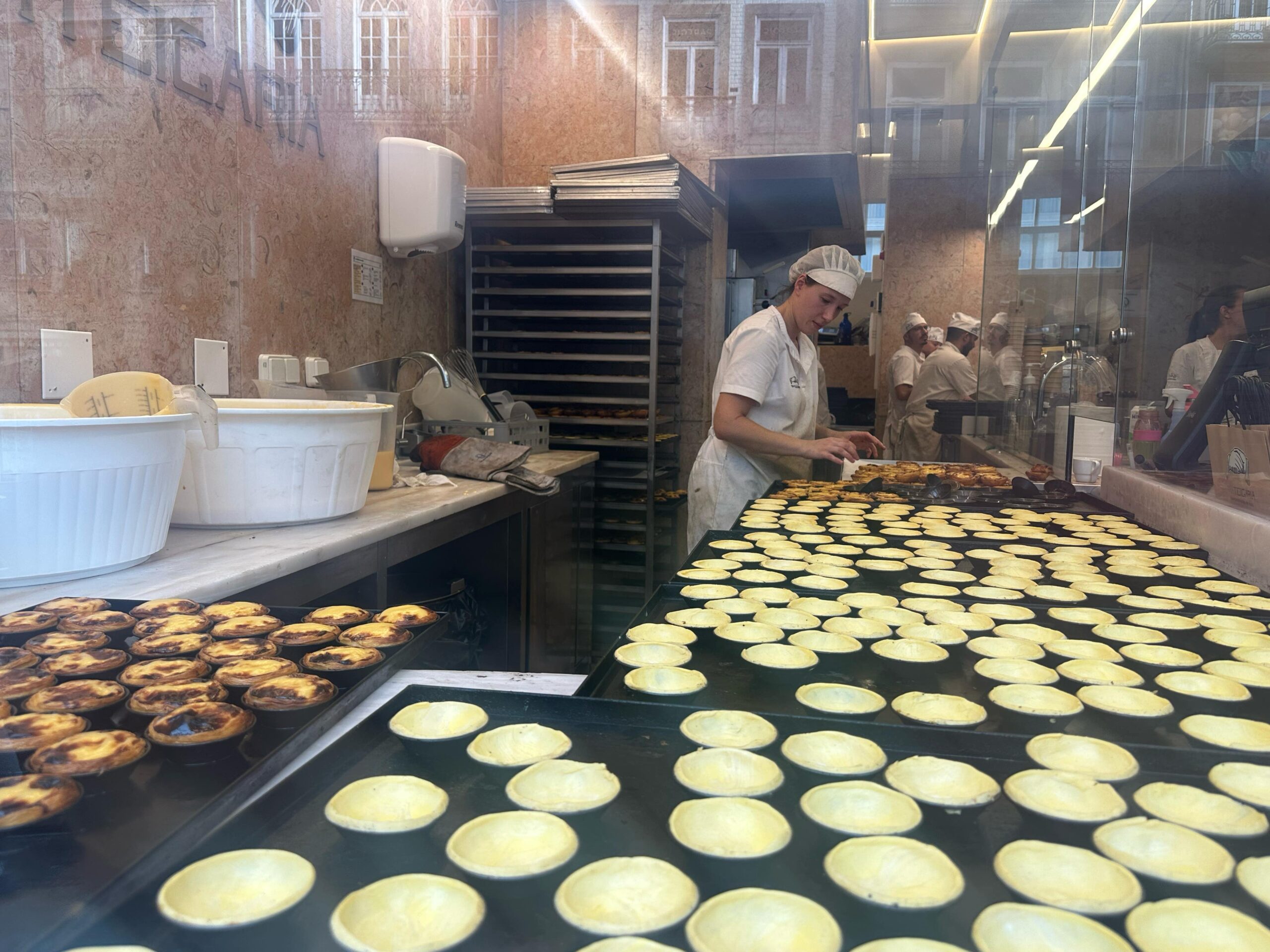
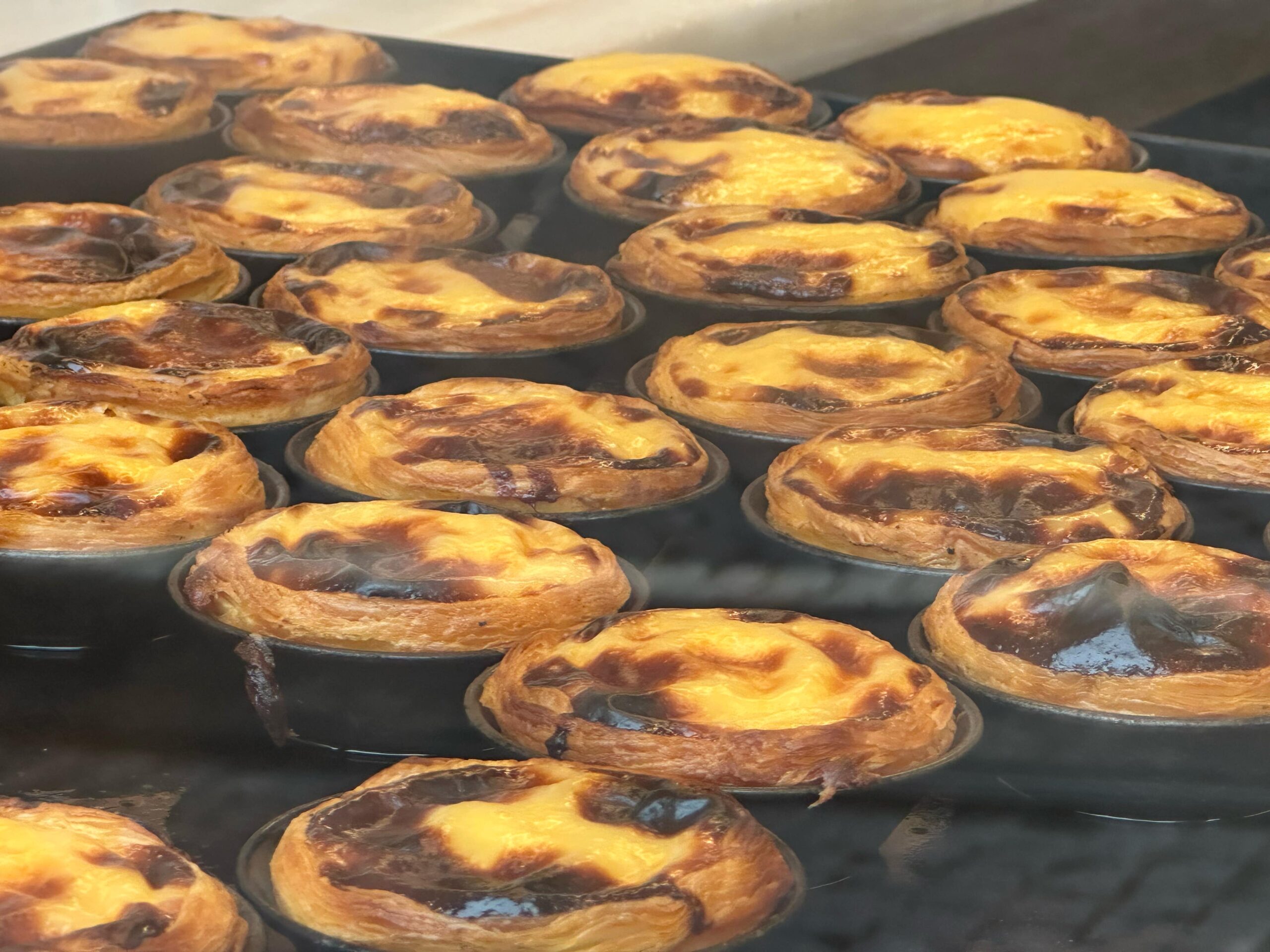
After breakfast, we set off on a tour through Lisbon’s historical centre before making our way to the outer suburb of Belem.  Here in Belem, we explored the Jeronimos Monastery and saw the various statues dedicated to the city’s rich maritime heritage.  We enjoyed Portuguese tarts from “Pasteis de Belem” – the original world famous bakery that has been making Portuguese tarts since 1837.  We headed back to Rossio Square in the heart of Lisbon where we were then free to explore on our own for rest of the afternoon.  We later re-grouped and went on a private tram ride through the narrow, steep, winding streets of Lisbon while sampling more Pastel de Nata (Portuguese tarts). We all headed out to a restaurant together for a farewell dinner. 
 

Day 10  – Lisbon 

Today was the end of a wonderful trip in Portugal with Bunnik. Really enjoyed the time here, my favourite places being Porto, Amarante and Lisbon. 

Ready to Discover Portugal for Yourself?

Inspired by Rachel’s adventure? From charming cobblestone streets and historic palaces to world-renowned wines and unforgettable local experiences, Portugal is a destination that deserves a place on your travel wish list.

Let the team at Gallivanter Travel help you discover the magic of Portugal and find your own unforgettable European adventure.

Contact your local Gallivanter Travel team and start planning your next holiday today!

Leave a Comment

Your email address will not be published. Required fields are marked *

Scroll to Top